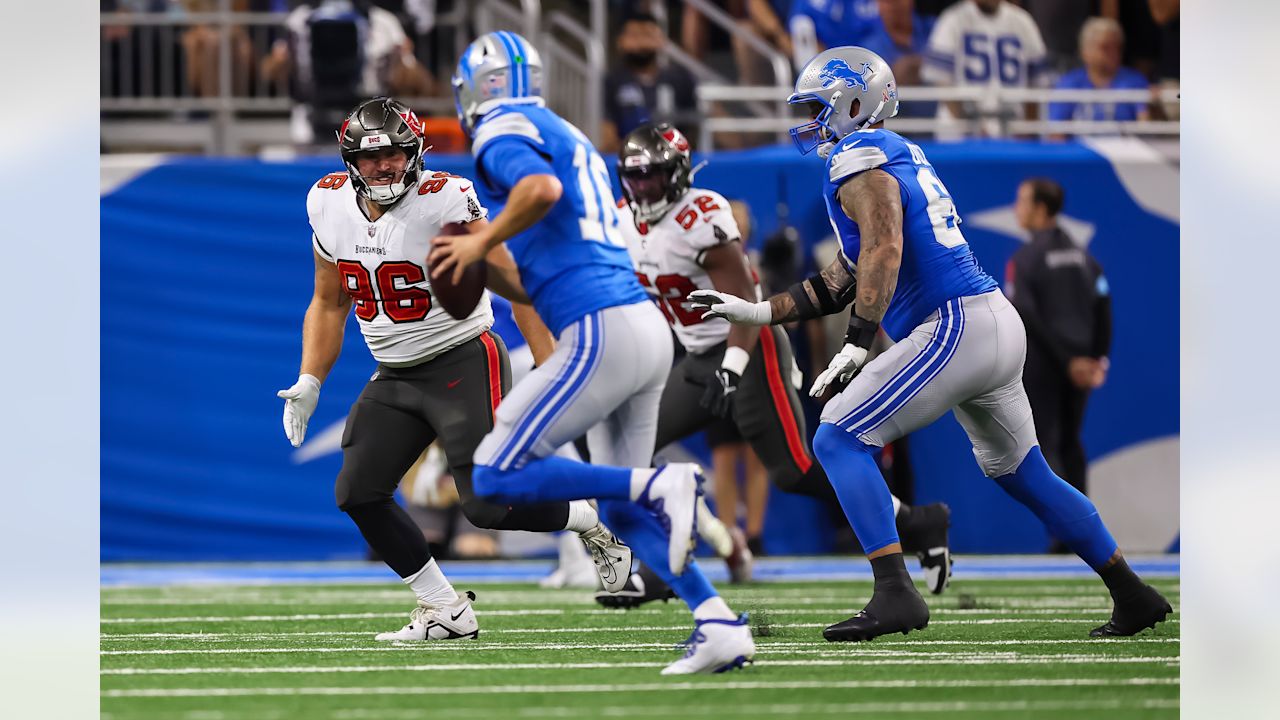
The Tampa Bay Buccaneers vs Detroit Lions match player stats reveal a game defined by tactical contrasts, explosive individual performances, and moments where discipline and preparation decided the outcome. Both teams entered the contest with distinct identities: Tampa Bay leaning on experienced leadership and defensive structure, while Detroit relied on youthful energy, offensive rhythm, and relentless pressure. Player statistics from this matchup offer far more than raw numbers; they tell the story of how momentum shifted, how adjustments were made, and how key players stepped up in crucial moments. From quarterback efficiency to defensive disruption, every stat line reflects a chess match played at full speed on the gridiron.
Quarterback Performance and Passing Efficiency Breakdown
Quarterback play was central to the Tampa Bay Buccaneers vs Detroit Lions match player stats, with both signal-callers demonstrating contrasting styles. Tampa Bay’s quarterback focused on precision passing, short-to-intermediate routes, and smart decision-making under pressure. Completion percentage and passer rating reflected a calm, methodical approach that prioritized ball security. Detroit’s quarterback, on the other hand, showcased aggressiveness, pushing the ball downfield and challenging coverage schemes.
His passing yards and yards per attempt highlighted Detroit’s intent to stretch the defense vertically. While both quarterbacks faced defensive pressure, the difference lay in pocket awareness and timing, with Tampa Bay excelling in third-down efficiency and Detroit generating chunk plays that energized their offense.
Rushing Game Impact on Match Momentum
The rushing statistics in the Tampa Bay Buccaneers vs Detroit Lions match player stats underline how ground control influenced tempo and possession. Tampa Bay relied on a balanced rushing attack designed to keep the defense honest and open up play-action opportunities. Their running backs posted steady yards per carry, often grinding out tough yards between the tackles. Detroit’s rushing game was more explosive, with outside zone runs and misdirection creating lanes for big gains.
Individual rushing stats reflected Detroit’s ability to turn limited carries into high-impact plays, while Tampa Bay’s consistency helped sustain long drives. These contrasting rushing philosophies played a significant role in dictating time of possession and field position throughout the game.
Wide Receivers and Tight Ends Statistical Contributions
Receiving stats from the Tampa Bay Buccaneers vs Detroit Lions match player stats showcase a dynamic aerial battle. Tampa Bay’s receiving corps emphasized route discipline and timing, with slot receivers and tight ends accumulating reliable receptions and moving the chains. Their top wideouts posted strong catch percentages, demonstrating chemistry with the quarterback. Detroit’s receivers were more explosive, recording higher yards per reception and multiple deep completions that shifted momentum.
Tight ends on both sides contributed significantly, especially in red-zone situations, where size and physicality became decisive. The receiving stats highlight how each team leveraged its strengths: Tampa Bay through consistency and Detroit through big-play potential.
Offensive Line Performance and Protection Metrics
Offensive line stats are often overlooked, but in the Tampa Bay Buccaneers vs Detroit Lions match player stats, they played a decisive role. Tampa Bay’s offensive line showed discipline, limiting penalties and providing solid pass protection, which allowed their quarterback to operate efficiently. Sack numbers and quarterback hits against Tampa Bay remained relatively controlled, reflecting effective blocking schemes. Detroit’s offensive line, while aggressive and powerful in the run game, faced challenges against Tampa Bay’s pass rush. Pressure rates and hurried throws in Detroit’s stat line reveal moments where protection broke down. These subtle statistical indicators highlight how trench battles shaped offensive success on both sides.
Defensive Front Seven and Tackling Statistics
The defensive front seven statistics from the Tampa Bay Buccaneers vs Detroit Lions match player stats illustrate physicality and endurance. Tampa Bay’s linebackers posted high tackle counts, reflecting their role in containing Detroit’s versatile offense. Their defensive ends contributed with pressures and tackles for loss, disrupting running lanes and forcing third-and-long situations. Detroit’s defensive front countered with aggression, recording sacks and quarterback hits that stalled Tampa Bay drives. Individual defensive stats reveal standout performances where players consistently won one-on-one matchups. Tackling efficiency and pursuit angles were critical, as missed tackles often translated into extended plays and momentum swings.
Secondary Coverage and Turnover Metrics
Secondary play is a crucial component of the Tampa Bay Buccaneers vs Detroit Lions match player stats, especially when evaluating turnovers and pass defense. Tampa Bay’s defensive backs focused on tight coverage and disciplined zone schemes, resulting in pass deflections and limited yards after catch. Detroit’s secondary was more opportunistic, generating interceptions and forcing risky throws under pressure. Turnover statistics reveal how momentum shifted at key moments, with defensive backs capitalizing on miscommunication and timing errors. These coverage metrics highlight the importance of awareness, anticipation, and adaptability in high-stakes matchups.
Special Teams Influence on Field Position
Special teams stats in the Tampa Bay Buccaneers vs Detroit Lions match player stats often fly under the radar, yet they significantly influenced field position and scoring opportunities. Tampa Bay’s kicking unit demonstrated reliability, converting field goals and extra points with consistency. Punt coverage units limited return yards, forcing Detroit to start drives deep in their own territory. Detroit’s return game, however, provided sparks of energy, with returners posting impressive average yards that flipped the field. Kickoff and punt statistics underscore how special teams execution contributed to overall team efficiency and momentum control.
Red Zone Efficiency and Scoring Statistics
Red zone performance is a defining element of the Tampa Bay Buccaneers vs Detroit Lions match player stats. Tampa Bay showcased discipline inside the 20-yard line, converting red zone trips into touchdowns or reliable field goals. Their quarterback’s decision-making and the tight ends’ physical presence were evident in scoring stats. Detroit, while explosive between the 20s, faced challenges finishing drives consistently. Red zone efficiency percentages highlight where execution faltered or succeeded, emphasizing how scoring efficiency often outweighs total yardage in determining outcomes.
Penalty and Discipline Metrics Affecting Flow
Penalty statistics are an often-overlooked aspect of the Tampa Bay Buccaneers vs Detroit Lions match player stats, yet they played a meaningful role in shaping momentum. Tampa Bay maintained relatively low penalty counts, avoiding costly mistakes that could derail drives. Detroit’s aggressive style resulted in more penalties, some of which extended Tampa Bay possessions or negated big plays. Discipline metrics reflect coaching emphasis and situational awareness, showing how small errors can have outsized impacts in closely contested games.
Player Efficiency Ratings and Advanced Metrics
Advanced analytics add depth to the Tampa Bay Buccaneers vs Detroit Lions match player stats, offering insights beyond traditional box scores. Quarterback efficiency ratings, pressure-to-sack ratios, and yards after contact metrics reveal how effectively players maximized opportunities. Tampa Bay’s efficiency stats emphasize consistency and situational execution, while Detroit’s advanced metrics highlight explosiveness and high-risk, high-reward tendencies. These numbers help explain why certain drives succeeded and others stalled, providing a more nuanced understanding of individual and team performance.
Coaching Adjustments Reflected in Statistical Trends
Statistical trends across quarters in the Tampa Bay Buccaneers vs Detroit Lions match player stats reflect coaching adjustments and game management. Tampa Bay’s second-half efficiency improved, suggesting effective halftime corrections in protection schemes and route concepts. Detroit’s early statistical dominance in explosive plays tapered as Tampa Bay adjusted coverage and pass rush strategies. Time-of-possession and third-down conversion stats reveal how coaching decisions influenced tempo and rhythm. These patterns underscore the importance of adaptability and preparation in high-level NFL competition.
Overall Match Impact and Player Stat Significance
The Tampa Bay Buccaneers vs Detroit Lions match player stats collectively paint a picture of a fiercely competitive encounter defined by strategic contrasts and individual brilliance. Tampa Bay’s disciplined, efficiency-driven approach balanced Detroit’s explosive, aggressive style. Every stat line, from quarterback ratings to special teams averages, contributed to the unfolding narrative of the game. These statistics not only capture what happened on the field but also provide valuable insights into team identities, strengths, and areas for growth. For fans, analysts, and fantasy football enthusiasts alike, this matchup stands as a compelling example of how numbers tell the deeper story of NFL competition.