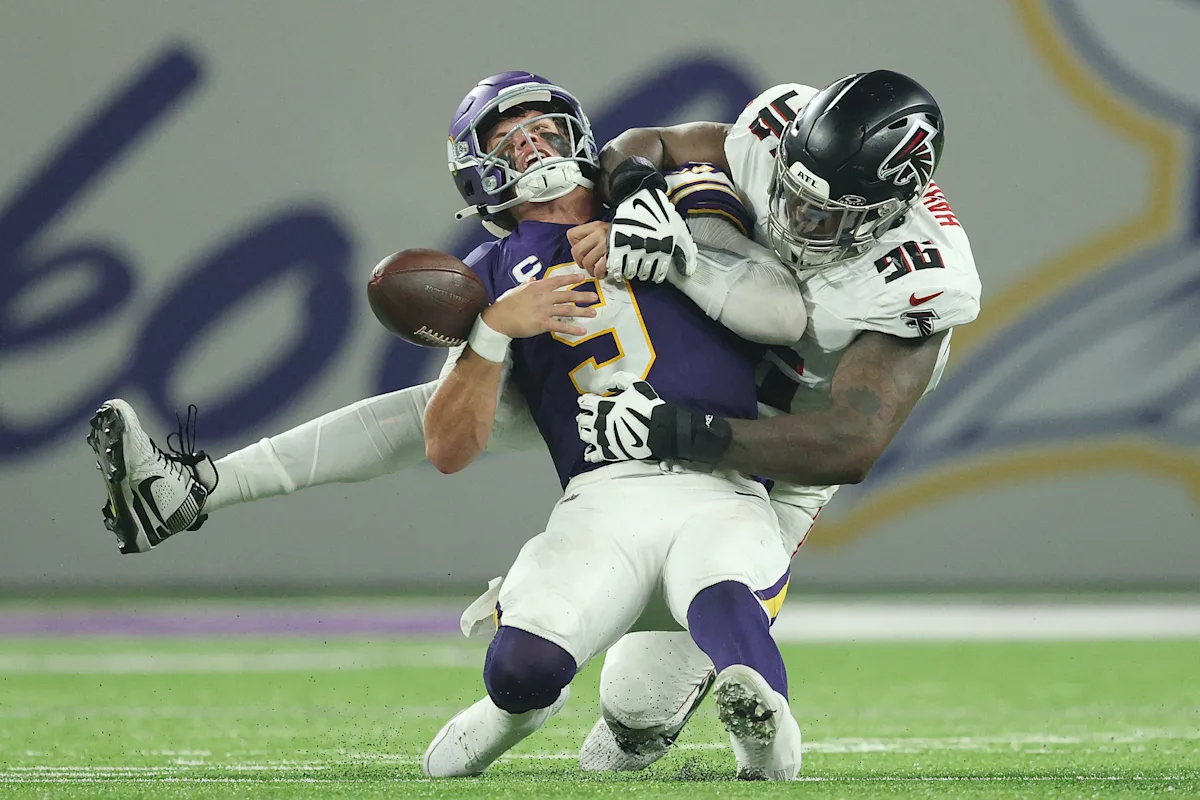
The Atlanta Falcons vs Minnesota Vikings match player stats tell a detailed story that goes far beyond the final score. Whenever these two franchises meet, the game usually becomes a showcase of contrasting styles—Atlanta’s speed and offensive creativity against Minnesota’s physical defense and disciplined execution. Player statistics from this matchup highlight how individual performances shape momentum, dictate strategy, and ultimately decide the outcome. From quarterback efficiency to defensive stops and special teams impact, every stat line plays a role in understanding how the contest unfolded on the field.
Quarterback Performance and Passing Efficiency
A major focus in the Atlanta Falcons vs Minnesota Vikings match player stats is always quarterback performance. Atlanta’s quarterback typically emphasizes timing routes, quick releases, and play-action throws to stretch the defense horizontally and vertically. Completion percentage, passing yards, and touchdown-to-interception ratio reveal how effectively the Falcons controlled the tempo through the air. On the other side, Minnesota’s quarterback often balances patience with aggression, reading coverages and exploiting mismatches, especially against zone defenses. Passing efficiency ratings, third-down conversion throws, and red-zone accuracy are critical metrics that show how each quarterback handled pressure and capitalized on scoring opportunities.
Rushing Attack and Ground Game Influence
The rushing statistics are another defining element of the Atlanta Falcons vs Minnesota Vikings match player stats. Atlanta frequently relies on a versatile running game built on outside zone runs and misdirection plays, allowing their running backs to use speed and vision to find open lanes. Total rushing yards, yards per carry, and explosive runs of 10+ yards demonstrate how well the Falcons established the ground attack. Minnesota, known for its physical rushing identity, focuses on power runs between the tackles and decisive cutbacks. Their rushing stats often reflect time-of-possession control and the ability to wear down defenses late in the game, making rushing efficiency a key comparison point between both teams.
Wide Receivers and Passing Targets Breakdown
Wide receiver stats in the Atlanta Falcons vs Minnesota Vikings match player stats reveal how effectively each offense stretched the field. Atlanta’s receiving corps often thrives on route diversity, yards after catch, and spacing concepts. Receptions, receiving yards, average depth of target, and touchdowns highlight which receivers consistently moved the chains. Minnesota’s receivers, on the other hand, are known for precise route running and contested-catch ability. Target share, red-zone receptions, and third-down catches show how dependable the Vikings’ wideouts were in crucial moments, especially when the defense tightened coverage.
Tight End Contributions and Mismatch Creation
Tight ends play an underrated yet crucial role in the Atlanta Falcons vs Minnesota Vikings match player stats. Atlanta’s tight ends are often used as hybrid weapons, contributing both as blockers in the run game and as receivers in short-to-intermediate routes. Their stats—receptions, blocking grades, and red-zone targets—indicate how effectively they created mismatches against linebackers. Minnesota’s tight ends typically excel in play-action schemes, finding soft spots in coverage. Receiving efficiency and first-down conversions by tight ends often reflect how well Minnesota diversified its offensive attack.
Offensive Line Performance and Protection Metrics
Offensive line statistics provide vital context within the Atlanta Falcons vs Minnesota Vikings match player stats. Atlanta’s offensive line performance can be measured through sack allowance, quarterback hits, and run-blocking efficiency. A low pressure rate usually indicates strong protection and successful pocket integrity. Minnesota’s offensive line stats often emphasize balance, showing how well they protected the quarterback while opening lanes for the run game. Penalties, holding calls, and blown assignments are also telling indicators of discipline and execution along the line of scrimmage.
The defensive front is a major factor in the Atlanta Falcons vs Minnesota Vikings match player stats. Atlanta’s defensive line typically focuses on speed and edge pressure, aiming to disrupt timing plays. Sack totals, quarterback pressures, and tackles for loss highlight their effectiveness. Minnesota’s defensive line is known for physical dominance and interior pressure. Run stops, double-team win rates, and forced hurried throws demonstrate how well the Vikings controlled the trenches. These stats often explain momentum swings and stalled drives throughout the game.
Linebacker Play and Tackling Efficiency
Linebacker statistics add another layer of insight into the Atlanta Falcons vs Minnesota Vikings match player stats. Atlanta’s linebackers often play a versatile role, contributing to both pass coverage and run defense. Total tackles, assisted tackles, and pass breakups show their all-around impact. Minnesota’s linebackers are typically disciplined and aggressive, excelling in gap control and pursuit angles. Missed tackle rates, blitz success, and coverage snaps reveal how effective they were in neutralizing Atlanta’s offensive weapons.
The secondary performance is critical when analyzing the Atlanta Falcons vs Minnesota Vikings match player stats. Atlanta’s defensive backs focus on zone coverage schemes designed to limit big plays. Interceptions, passes defended, and completion percentage allowed are key metrics that show their success. Minnesota’s secondary often emphasizes man coverage and physicality at the line of scrimmage. Forced turnovers, defensive touchdowns, and coverage ratings provide insight into how well the Vikings capitalized on mistakes and pressured opposing receivers.
Turnovers, Takeaways, and Game-Changing Plays
Turnover statistics are often decisive in the Atlanta Falcons vs Minnesota Vikings match player stats. Fumbles forced, interceptions, and turnover margin illustrate which team protected the ball better. Atlanta’s offensive discipline can be measured by low turnover counts and clean exchanges. Minnesota’s defensive opportunism is often reflected in takeaways that shift momentum. These stats often correlate directly with scoring chances and field position advantages throughout the game.
Red zone performance is a crucial section of the Atlanta Falcons vs Minnesota Vikings match player stats. Atlanta’s red zone efficiency is typically evaluated by touchdown percentage and play-calling creativity inside the 20-yard line. Minnesota’s red zone defense is known for tightening coverage and limiting touchdowns to field goals. Comparing red zone stats reveals how effectively each team executed under pressure and maximized scoring opportunities.
Third Down and Situational Football Metrics
Situational football plays a major role in the Atlanta Falcons vs Minnesota Vikings match player stats. Third-down conversion rates show how well each offense sustained drives. Atlanta’s offense often relies on short, quick passes to convert manageable third downs. Minnesota’s defense focuses on disguising coverage and applying pressure in these situations. Fourth-down attempts, two-minute drill efficiency, and time-of-possession stats further illustrate which team controlled the flow of the game.
Special teams stats add depth to the Atlanta Falcons vs Minnesota Vikings match player stats. Atlanta’s kick return averages, punt coverage, and kicker accuracy demonstrate how well they managed hidden yardage. Minnesota’s special teams are often disciplined, excelling in kickoff placement and punt returns. Field position stats, touchback percentages, and long field goals made can significantly influence scoring chances and momentum swings.
Coaching Decisions and Player Utilization Reflected in Stats
Coaching strategies are indirectly visible through the Atlanta Falcons vs Minnesota Vikings match player stats. Atlanta’s use of motion, play-action, and personnel rotations shows up in snap counts and target distribution. Minnesota’s balanced approach often results in evenly distributed touches and defensive snap efficiency. Timeout usage, challenge success, and play-calling tendencies can all be inferred by examining statistical patterns across quarters.
Every Atlanta Falcons vs Minnesota Vikings match player stats sheet usually highlights a few standout performances. Whether it’s a quarterback with a high passer rating, a running back surpassing 100 rushing yards, or a defender recording multiple sacks, these individual efforts often define the game. Player efficiency ratings and advanced metrics help identify who had the greatest impact beyond traditional box score numbers.
Comparative Team Stats and Overall Performance
Comparing total yards, penalties, time of possession, and scoring efficiency provides a complete picture of the Atlanta Falcons vs Minnesota Vikings match player stats. Atlanta’s success is often tied to offensive balance and minimizing mistakes, while Minnesota’s strength lies in defensive discipline and situational execution. These comparative stats help explain why one team gained the upper hand and how evenly matched the contest truly was.
One of the most interesting aspects of the Atlanta Falcons vs Minnesota Vikings match player stats is how momentum swings can be traced directly through numerical trends. A sudden increase in yards per play, a defensive takeaway, or a scoring drive fueled by explosive plays often signals a shift in control.
Atlanta’s offensive surges are usually marked by consecutive completions and balanced run-pass ratios, while Minnesota’s momentum changes often appear through defensive stops, sacks, or short-field opportunities created by turnovers. These statistical momentum indicators help explain why certain quarters felt dominant for one team despite a close overall score.
First-Half vs Second-Half Statistical Adjustments
Breaking down the Atlanta Falcons vs Minnesota Vikings match player stats by halves reveals how adjustments played a critical role. Atlanta’s first-half stats may show conservative play-calling and methodical drives, while second-half numbers often reflect increased tempo and deeper passing attempts. Minnesota’s halftime adjustments are frequently visible in defensive stats, such as reduced yards allowed per drive and improved third-down defense. Comparing first-half and second-half performance highlights coaching adaptability and player responsiveness under changing game conditions.
Explosive plays are a key talking point within the Atlanta Falcons vs Minnesota Vikings match player stats. Atlanta often generates big gains through speed mismatches, screen passes turned into long runs, or play-action shots downfield. Metrics like plays of 20+ yards and yards after catch underline their offensive philosophy. Minnesota’s explosive plays are often more calculated, coming from deep routes or well-timed runs against stacked boxes. The frequency and success rate of these big plays show how each team balanced risk and reward.
Penalty Impact and Discipline Metrics
Penalty statistics add an important layer to the Atlanta Falcons vs Minnesota Vikings match player stats. Atlanta’s penalty yardage can sometimes stall promising drives or extend defensive possessions, making discipline a critical factor. Minnesota is traditionally known for structured play, and lower penalty counts often reflect that identity. False starts, defensive pass interference calls, and holding penalties directly affect field position and drive sustainability, making these stats essential when evaluating overall team performance.
Time-of-possession numbers are central to understanding the Atlanta Falcons vs Minnesota Vikings match player stats. Atlanta’s offense often aims for efficient drives that mix short passes with timely runs, keeping the defense fresh. Minnesota’s longer, grind-it-out drives emphasize ball control and physicality. Average drive length, plays per drive, and scoring percentage per possession show which team dictated the pace and forced the opponent to adjust their game plan.
Final Thoughts
The Atlanta Falcons vs Minnesota Vikings match player stats offer a comprehensive breakdown of how individual efforts and team strategies intersected on game day. From quarterback decision-making and rushing efficiency to defensive pressure and special teams execution, every statistical category contributes to the overall narrative. Analyzing these numbers not only explains the final result but also provides valuable insight into each team’s strengths, weaknesses, and areas for improvement as they move forward in the season.