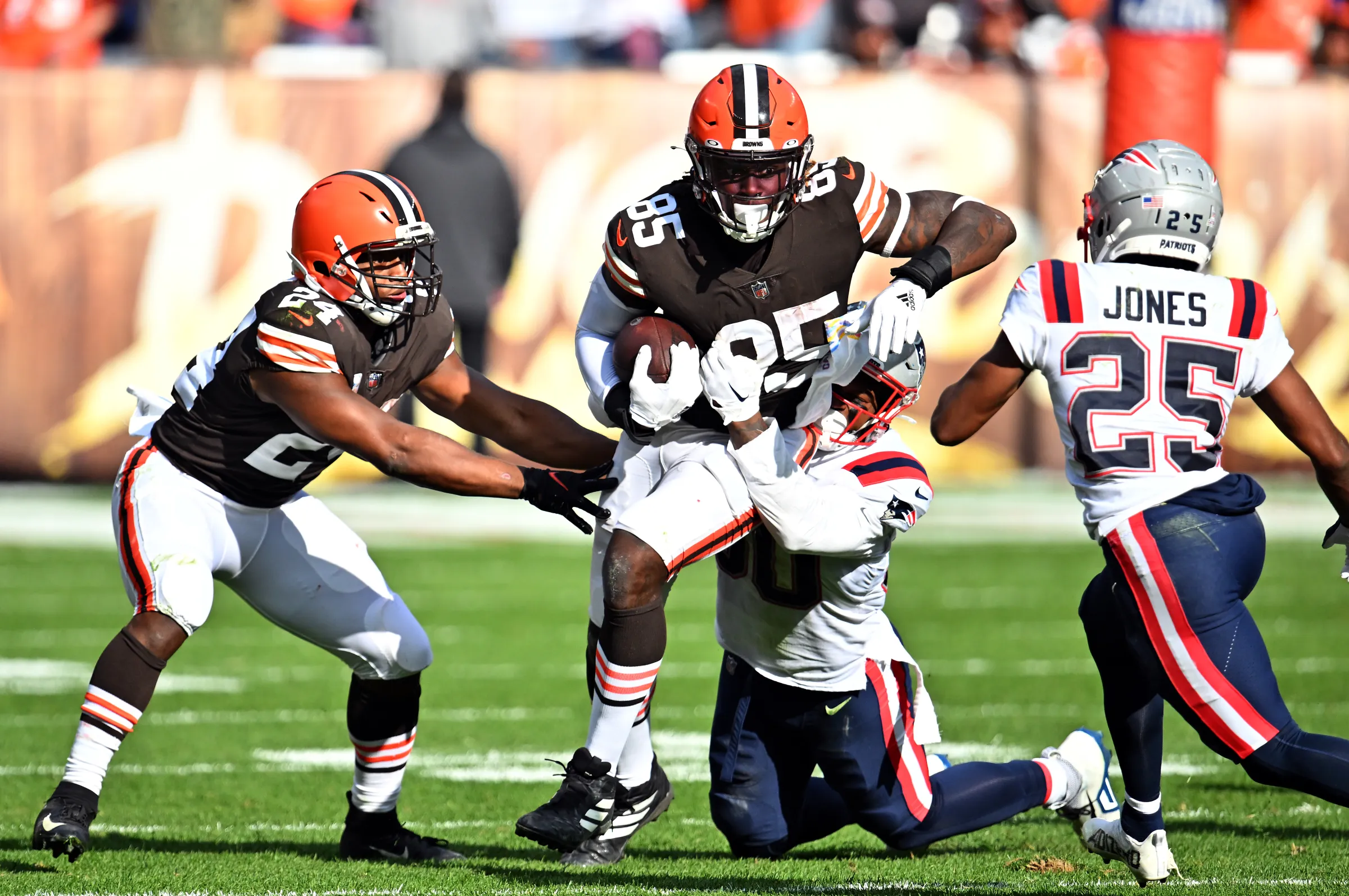
The Cleveland Browns vs Denver Broncos match player stats tell a compelling story of intensity, strategy, and individual brilliance that shaped the outcome of this highly anticipated NFL clash. From the opening kickoff, both teams demonstrated contrasting styles of play, with Cleveland leaning on physicality and defensive discipline, while Denver showcased adaptability and offensive creativity. This matchup was not just about the final score but about how individual performances across offense, defense, and special teams influenced momentum throughout the game.
Quarterback Performance Analysis and Passing Efficiency
When analyzing the Cleveland Browns vs Denver Broncos match player stats, quarterback performance stands out as a defining factor. The Browns’ quarterback delivered a controlled and methodical passing display, focusing on short-to-intermediate routes to sustain drives and limit turnovers. His completion rate reflected smart decision-making under pressure, particularly against Denver’s aggressive pass rush. On the other side, the Broncos’ quarterback brought a more vertical approach, testing Cleveland’s secondary with deep throws and play-action passes. His yardage totals highlighted explosive potential, although occasional misreads against zone coverage slightly reduced overall efficiency.
Rushing Game Impact and Ground Control
The rushing battle played a crucial role in shaping the Cleveland Browns vs Denver Broncos match player stats narrative. Cleveland’s running backs showcased power and patience, consistently finding gaps created by a disciplined offensive line. Their ability to grind out tough yards on early downs helped control the clock and keep Denver’s offense sidelined. Denver countered with a more diverse rushing approach, using outside zone runs and quarterback mobility to stretch the defense horizontally. While Denver’s rushing yards per attempt were respectable, Cleveland’s dominance in time of possession underscored the Browns’ advantage in the ground game.
Wide Receiver Contributions and Receiving Yards
Wide receiver production was another highlight within the Cleveland Browns vs Denver Broncos match player stats. Cleveland’s receiving corps focused on precision and route timing, converting critical third downs and red-zone opportunities. Their top receiver led the team in catches, demonstrating reliable hands and sharp route running against tight coverage. Denver’s receivers, meanwhile, emphasized speed and separation, generating chunk plays that energized the offense. One standout performance included multiple receptions over twenty yards, showcasing Denver’s ability to flip field position quickly despite facing a disciplined secondary.
Tight ends played a pivotal role in the Cleveland Browns vs Denver Broncos match player stats, particularly in the red zone. Cleveland utilized its tight ends as safety valves in the passing game, especially during blitz-heavy situations. Their ability to block effectively in run schemes while contributing key receptions made them invaluable. Denver’s tight ends were more involved in seam routes and play-action designs, creating mismatches against linebackers. Although red-zone efficiency varied, tight end involvement significantly influenced scoring opportunities for both teams.
Offensive Line Performance and Pass Protection
A deeper look at the Cleveland Browns vs Denver Broncos match player stats reveals how offensive line performance shaped quarterback comfort and rushing success. Cleveland’s offensive line excelled in maintaining pocket integrity, allowing the quarterback time to scan the field and make accurate throws. Their run-blocking consistency was evident in steady rushing gains throughout the game. Denver’s offensive line faced tougher challenges against Cleveland’s defensive front but still managed to provide solid protection during key drives. Occasional breakdowns, however, led to sacks that stalled momentum at critical moments.
Defensive performance is a cornerstone of the Cleveland Browns vs Denver Broncos match player stats discussion. Cleveland’s front seven displayed relentless pressure, combining disciplined gap control with aggressive pass rushing. Linebackers recorded multiple tackles for loss, disrupting Denver’s rhythm in both the run and short passing game. Denver’s defensive front responded with physicality of its own, particularly in early downs, limiting Cleveland’s rushing lanes at times. Tackling efficiency on both sides was notable, minimizing yards after contact and forcing offenses to earn every inch.
Secondary Coverage and Interception Opportunities
The secondary units contributed significantly to the Cleveland Browns vs Denver Broncos match player stats by influencing passing efficiency and turnover potential. Cleveland’s defensive backs maintained tight man coverage, challenging receivers at the line of scrimmage and contesting throws downfield. Their disciplined approach resulted in pass breakups and near-interceptions that shifted momentum. Denver’s secondary relied more on zone coverage, aiming to keep plays in front and limit explosive gains. This strategy forced Cleveland to execute longer drives, increasing the likelihood of mistakes.
Turnover Battle and Game-Changing Moments
Turnovers are often decisive, and the Cleveland Browns vs Denver Broncos match player stats reflect their impact clearly. Cleveland capitalized on forced fumbles and timely defensive stops, converting turnovers into valuable field position. Denver, while protecting the ball for most of the game, struggled with a key turnover that halted a promising drive. These moments underscored the importance of ball security and situational awareness, as even a single mistake shifted momentum in a tightly contested matchup.
Special teams contributions added another layer to the Cleveland Browns vs Denver Broncos match player stats. Cleveland’s kicker demonstrated reliability under pressure, converting field goals from varying distances and ensuring points on stalled drives. Punting efficiency also played a role, pinning Denver deep in its own territory multiple times. Denver’s return game showed flashes of explosiveness, with solid kickoff returns that set up favorable starting positions. However, inconsistencies in coverage units occasionally allowed Cleveland to control field position.
Third-Down Conversion Rates and Situational Football
Situational execution is critical in the NFL, and the Cleveland Browns vs Denver Broncos match player stats highlight differences in third-down efficiency. Cleveland excelled in converting manageable third-down situations, largely due to balanced play-calling and precise route execution. Denver faced more challenging third-down distances, often due to early-down penalties or negative plays. While Denver converted several long third downs through aggressive passing, Cleveland’s consistency in this area proved advantageous over the course of the game.
Red-zone performance was another decisive element reflected in the Cleveland Browns vs Denver Broncos match player stats. Cleveland maximized scoring opportunities by blending power runs with quick passes, reducing the risk of turnovers. Their touchdown efficiency inside the twenty-yard line showcased effective preparation and execution. Denver, while capable of moving the ball between the twenties, occasionally settled for field goals due to stalled red-zone drives. This difference in scoring efficiency ultimately influenced the final outcome.
Individual Defensive Standouts and Impact Plays
Several individual defenders stood out within the Cleveland Browns vs Denver Broncos match player stats, making plays that shifted momentum. Cleveland’s edge rusher recorded multiple pressures and sacks, consistently disrupting Denver’s passing game. A standout linebacker contributed across the board with tackles, pass deflections, and leadership in defensive alignment. Denver’s defensive highlights included a safety who excelled in coverage and run support, preventing several potential big plays with timely interventions.
Coaching decisions are often reflected indirectly in the Cleveland Browns vs Denver Broncos match player stats. Cleveland’s coaching staff emphasized ball control and defensive discipline, adjusting play-calling to exploit mismatches as the game progressed. Denver’s coaches responded with creative formations and tempo changes, attempting to counter Cleveland’s defensive pressure. While both teams made effective halftime adjustments, Cleveland’s ability to maintain consistency proved crucial in the later stages.
Penalty Discipline and Its Statistical Impact
Penalties can significantly affect match statistics, and the Cleveland Browns vs Denver Broncos match player stats reveal contrasting levels of discipline. Cleveland limited costly penalties, maintaining favorable down-and-distance situations throughout the game. Denver, however, incurred several penalties at inopportune times, extending Cleveland drives or negating positive plays. These infractions not only impacted yardage totals but also influenced momentum and field position.
Time of possession is a telling statistic within the Cleveland Browns vs Denver Broncos match player stats. Cleveland’s sustained drives and effective rushing attack allowed them to control the clock, keeping Denver’s offense off the field. This approach reduced Denver’s total offensive snaps and limited opportunities for comeback drives. Denver’s quicker scoring attempts, while explosive, resulted in shorter possessions that shifted control back to Cleveland.
Comparative Team Efficiency Metrics
Efficiency metrics provide deeper insight into the Cleveland Browns vs Denver Broncos match player stats. Cleveland demonstrated higher efficiency in yards per play and points per drive, reflecting a balanced and methodical approach. Denver’s efficiency was more variable, with explosive plays offset by stalled drives. These contrasting efficiency profiles illustrate how consistency often outweighs sporadic big plays in determining game outcomes.
Public reaction often mirrors statistical impact, and the Cleveland Browns vs Denver Broncos match player stats fueled extensive fan and media discussion. Cleveland’s defensive dominance received widespread praise, particularly for its ability to contain Denver’s offensive weapons. Denver’s offensive highlights, despite the loss, generated optimism about future potential. Media analysis emphasized how individual performances aligned with broader team identities.
Historical Context and Rivalry Significance
Placing the Cleveland Browns vs Denver Broncos match player stats within historical context adds depth to the analysis. Both franchises carry rich histories and passionate fan bases, making each matchup significant beyond the standings. Comparisons to previous encounters highlighted evolving strategies and roster changes, showing how modern NFL trends influence traditional rivalries.
The Cleveland Browns vs Denver Broncos match player stats ultimately reveal a contest defined by balance, discipline, and situational execution. Cleveland’s ability to control the line of scrimmage, protect the football, and capitalize on opportunities proved decisive. Denver’s flashes of explosiveness demonstrated potential but were tempered by inconsistencies. These statistical insights provide a comprehensive understanding of how individual and team performances combined to shape the final result.
Final Thoughts on Cleveland Browns vs Denver Broncos Match Player Stats
The Cleveland Browns vs Denver Broncos match player stats offer a detailed snapshot of a competitive NFL showdown where preparation, execution, and adaptability determined success. By examining performances across all phases of the game, fans and analysts gain a deeper appreciation for the nuances that define professional football. This matchup serves as a reminder that while star performances matter, collective efficiency and discipline often make the ultimate difference on game day.
You May Also Read: Knicks vs Boston Celtics match player stats