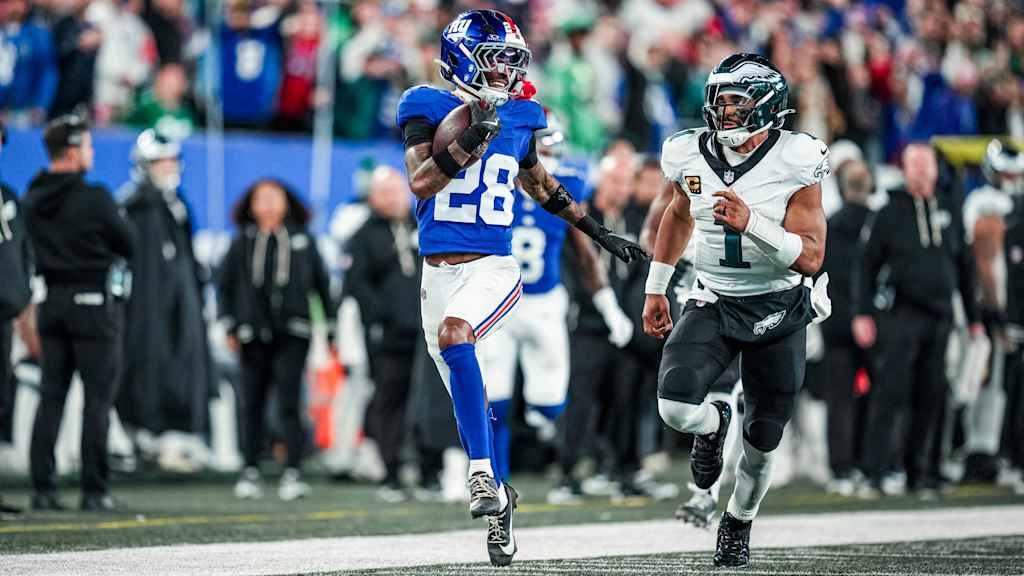
The Philadelphia Eagles vs New York Giants match player stats highlight one of the NFL’s most historic and competitive rivalries. Every time these two NFC East teams meet, individual performances play a decisive role in shaping the outcome. From quarterbacks dictating tempo to defensive units forcing turnovers, the match statistics tell a detailed story of momentum swings, tactical decisions, and standout athleticism. Player stats such as passing yards, rushing efficiency, receiving targets, sacks, and defensive stops provide insight into how each side executed its game plan. This matchup often reflects contrasting styles—Philadelphia’s aggressive, balanced offense against New York’s determination to control possession and limit explosive plays.
Quarterback Performance Breakdown and Passing Efficiency
Quarterback statistics are central to the Philadelphia Eagles vs New York Giants match player stats, as both teams rely heavily on signal-callers to lead offensive drives. The Eagles’ quarterback typically demonstrates high completion percentages, combining short, accurate throws with occasional deep shots that stretch the Giants’ secondary. Metrics such as passing yards, touchdowns, interceptions, and quarterback rating reveal how effectively Philadelphia capitalized on scoring opportunities. On the Giants’ side, the quarterback’s stats often show a focus on ball security and situational awareness, especially on third downs. Comparing time-to-throw, pocket presence, and pressure response highlights which quarterback handled defensive schemes more effectively.
Rushing Game Impact and Running Back Contributions
Rushing statistics form another crucial layer of the Philadelphia Eagles vs New York Giants match player stats. Philadelphia often showcases a dynamic ground attack, with running backs posting strong yards-per-carry averages and contributing as pass-catchers out of the backfield. These numbers reflect offensive line dominance and strategic play-calling. For the Giants, rushing stats frequently emphasize consistency and clock management. Their running backs may accumulate fewer explosive runs but compensate with steady gains that sustain long drives. Touchdowns, red-zone carries, and broken tackles illustrate which team controlled the tempo through the run game.
Wide Receiver and Tight End Receiving Statistics
Receiving data provides depth to the Philadelphia Eagles vs New York Giants match player stats, highlighting how effectively each offense spreads the ball. Eagles wide receivers often record high target counts, yards after catch, and red-zone efficiency, demonstrating their ability to separate from defenders. Tight ends also play a vital role, especially in exploiting mismatches against linebackers. Giants receivers, meanwhile, frequently focus on intermediate routes and possession catches. Statistics such as receptions, receiving yards, longest catch, and first-down conversions show how each receiving corps influenced field position and scoring chances.
Offensive Line Performance and Protection Metrics
The success of any offense is closely tied to offensive line statistics within the Philadelphia Eagles vs New York Giants match player stats. Philadelphia’s line often ranks highly in pass-block win rate and rushing lanes created, allowing quarterbacks and running backs to operate efficiently. Sack allowances, quarterback pressures, and penalties provide measurable indicators of line discipline and effectiveness. The Giants’ offensive line stats frequently reflect resilience under pressure, with emphasis on minimizing negative plays. Comparing these metrics reveals which unit better neutralized opposing defensive fronts.
Defensive line stats are among the most telling aspects of the Philadelphia Eagles vs New York Giants match player stats. Eagles defenders often post impressive sack totals, quarterback hits, and tackles for loss, showcasing their aggressive pass rush philosophy. These numbers highlight how effectively they disrupted offensive rhythm. Giants defensive linemen counter with gap discipline and run-stopping efficiency, reflected in rushing yards allowed and forced third-and-long situations. Comparing pressure rates and blitz success shows which defense dictated the line of scrimmage.
Linebacker Play and Tackling Efficiency
Linebacker statistics add nuance to the Philadelphia Eagles vs New York Giants match player stats, bridging the gap between run defense and pass coverage. Eagles linebackers often contribute across multiple categories, including tackles, assists, coverage drops, and occasional sacks. Their versatility allows defensive schemes to remain unpredictable. Giants linebackers emphasize tackling efficiency and coverage awareness, limiting yards after contact and closing passing lanes. Missed tackles, solo tackles, and defensive stops reveal which unit maintained consistency throughout the game.
The secondary plays a defining role in the Philadelphia Eagles vs New York Giants match player stats, especially in tightly contested games. Eagles defensive backs frequently record pass breakups, interceptions, and low opponent completion rates, reflecting disciplined coverage schemes. Giants cornerbacks and safeties focus on preventing deep plays, with stats showing reduced yards per attempt allowed. Turnovers generated, defensive touchdowns, and coverage ratings demonstrate how effectively each secondary influenced momentum.
Special Teams Contributions and Hidden Yardage
Special teams stats are often overlooked, but remain critical in the Philadelphia Eagles vs New York Giants match player stats. Philadelphia’s kick returners may produce a strong average return yards, providinga favorable starting field position. Punting efficiency, hang time, and inside-the-20 placements reflect strategic advantages. Giants special teams units emphasize consistency and discipline, minimizing penalties and return yardage allowed. Field goal accuracy, extra points, and kickoff coverage stats illustrate which team gained the edge in hidden yardage.
Situational stats significantly impact the Philadelphia Eagles vs New York Giants match player stats, particularly third-down conversions and red-zone efficiency. Philadelphia often excels in converting third-and-short situations, reflected in high conversion percentages. Their red-zone stats typically show balanced play-calling with both passing and rushing touchdowns. The Giants focus on defensive red-zone stands and methodical offensive execution. Comparing these situational metrics reveals which team capitalized on critical moments.
Turnover Margin and Game-Changing Plays
Turnover statistics are pivotal within the Philadelphia Eagles vs New York Giants match player stats, as interceptions and fumbles often swing momentum. Eagles defenders frequently aim to force turnovers through aggressive coverage and strip attempts, while the offense prioritizes ball security. Giants’ stats often highlight disciplined play, limiting giveaways, and capitalizing on opponent mistakes. Defensive scores, recovered fumbles, and interception return yards underscore how turnovers influenced the final outcome.
Time of possession and drive efficiency further enrich the Philadelphia Eagles vs New York Giants match player stats. Philadelphia’s offense often demonstrates quick-strike capability, resulting in shorter scoring drives but higher points per possession. Giants’ drives may last longer, focusing on sustained ball control and limiting opponent opportunities. Average drive length, plays per drive, and scoring efficiency provide insight into contrasting offensive philosophies.
Penalty Statistics and Discipline Factors
Penalty data is an essential but often underappreciated component of the Philadelphia Eagles vs New York Giants match player stats. Eagles stats sometimes reflect aggressive play resulting in occasional defensive penalties, balanced by high-impact plays. Giants emphasize discipline, aiming to reduce penalty yards and avoid extending drives. False starts, holding calls, and pass interference penalties reveal how discipline influenced field position and scoring chances.
When evaluating the Philadelphia Eagles vs New York Giants match player stats as a whole, the comparison paints a comprehensive picture of performance, execution, and adaptability. Philadelphia often leads in explosive plays, sack totals, and scoring efficiency, while New York counters with consistency, discipline, and situational awareness. Individual player stats not only highlight star performances but also reveal the importance of depth and teamwork. These numbers collectively explain how the game unfolded, offering fans and analysts a detailed understanding of this iconic NFL rivalry.
Coaching Decisions Reflected in Player Statistics
Coaching strategy is subtly but clearly revealed through the Philadelphia Eagles vs New York Giants match player stats. Play-calling tendencies, fourth-down decisions, and personnel usage all leave a statistical footprint. Philadelphia’s coaching staff often leans into aggressive offensive metrics, such as higher fourth-down attempt rates and creative red-zone formations, which translate into elevated touchdown efficiency. Giants coaches typically emphasize risk management, reflected in punt frequency, conservative field position choices, and a focus on minimizing turnovers. These coaching philosophies directly influence individual player statistics and overall team performance.
Advanced Metrics and Analytical Insights
Advanced analytics further enrich the Philadelphia Eagles vs New York Giants match player stats. Metrics such as expected points added (EPA), success rate, and win probability added offer deeper context beyond traditional box scores. Philadelphia players often rank highly in offensive EPA, reflecting efficiency and explosiveness. Giants players may excel in defensive success rate, highlighting consistency and situational execution. These advanced stats provide a modern lens for evaluating performance.
From a fan standpoint, the Philadelphia Eagles vs New York Giants match player stats offer clarity and debate fuel. Eagles supporters often point to scoring efficiency and defensive pressure as proof of dominance, while Giants fans highlight discipline, resilience, and individual effort. These statistics shape narratives, post-game discussions, and expectations for future matchups, reinforcing the emotional weight of this rivalry.
Rookie and Emerging Player Contributions
One of the most intriguing layers of the Philadelphia Eagles vs New York Giants match player stats is the impact of rookies and emerging talents. Young Eagles players often show up in snap counts, special teams tackles, or rotational defensive stats, signaling trust from the coaching staff. For the Giants, rookies frequently contribute through incremental gains—short receptions, rotational defensive snaps, or situational rushing attempts. These developing players may not dominate box scores, but their statistical presence highlights depth building and future potential.
Final Statistical Summary and Match Significance
The Philadelphia Eagles vs New York Giants match player stats provide a comprehensive, data-driven account of one of the NFL’s most enduring rivalries. From quarterback efficiency and defensive dominance to special teams precision and situational execution, every statistic contributes to understanding how the game was won or lost. These numbers go beyond the scoreboard, capturing effort, strategy, and execution. For analysts, fans, and fantasy football enthusiasts alike, player stats remain the most reliable lens through which to appreciate the intensity and significance of Eagles versus Giants matchups.
You May Also Read: Cleveland Browns vs Baltimore Ravens match player stats