Result anxiety starts after the last answer sheet leaves your desk. The work ends, but the mind keeps running.
You replay questions while walking home. You count marks in your head. You remember one mistake and treat it like a verdict. At night, the same scenes return. The body feels tense even though nothing is happening.
This stress has a simple cause: uncertainty. During exams, you can act. You can read, write, and manage time. After exams, you lose control. You can only wait. Waiting turns small doubts into loud thoughts.
University results add another layer. Students often depend on a single outcome for the next step. Admission. Internship. Scholarship. Family expectations. When the stakes feel high, the wait feels heavier.
This article explains why result anxiety feels so intense, and why the brain reacts this way. We will keep it practical. We will focus on what happens in the mind and body, and what you can do during the waiting period.
Why Uncertainty Feels Harder Than Failure
Failure hurts. Uncertainty stretches.
When a result is final, the brain begins to adjust. You feel disappointment. Then you plan the next step. The event closes. Closure reduces tension.
Uncertainty does not close. It stays open. The mind keeps scanning for updates. It wants a signal, any signal, that the waiting is over.
This reaction is common in fast-moving environments. When people follow a cricket live line, they check constantly because the score can change at any moment. The brain prefers real-time clarity over delayed information. The same pattern appears during result waiting. Students refresh portals, check messages, and revisit websites because they crave resolution.
Uncertainty increases perceived risk. Without confirmed marks, students imagine extremes. They picture the worst-case scenario. The mind fills gaps with negative predictions.
This process happens automatically. The brain evolved to treat unknown outcomes as potential threats. When something important is undecided, the body stays alert.
Alertness feels like anxiety. Heart rate rises. Sleep becomes lighter. Focus weakens.
Failure may hurt more in the moment, but uncertainty lasts longer. Duration amplifies discomfort.
The Illusion Of Control During The Waiting Period
After exams, students often try to regain control. They calculate expected marks. They compare answers with friends. They search for unofficial answer keys.
These actions feel useful. In reality, they change nothing. The papers are already graded or waiting to be graded. The result timeline remains fixed.
This behavior reflects the illusion of control. When outcomes matter, the mind seeks activity. Doing something feels better than doing nothing. Even repeated checking provides a brief sense of involvement.
Each portal refresh delivers a small spike of hope. It says, “Maybe now.” When nothing appears, tension returns. The cycle repeats.
This loop drains mental energy. Instead of resting after exams, students remain mentally tied to the outcome. Attention stays locked on a future event.
The illusion works because the brain confuses monitoring with influence. Watching closely feels like participation. But observation does not change results.
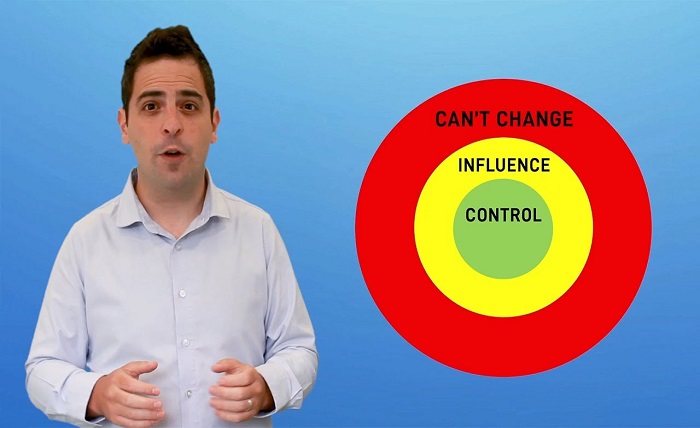
Recognizing this pattern helps. Control ends after submission. What remains is response. You cannot alter marks, but you can manage your reaction to them.
Letting go of false control reduces unnecessary strain.
How Result Anxiety Affects Body And Behavior
Anxiety does not stay in the mind. It moves into the body.
When results are pending, stress hormones rise. Muscles tighten. Breathing becomes shallow. Sleep breaks into short cycles. Even small noises wake you.
Attention narrows. You struggle to focus on new tasks. Conversations drift back to results. You replay the same exam questions without progress.
Behavior also shifts. Some students withdraw. Others talk about results constantly. Both patterns reflect the same tension.
Waiting can reduce motivation. Since the outcome is unknown, starting the next phase feels risky. “What if I fail?” becomes a quiet barrier.
This physical and behavioral strain comes from prolonged alertness. The brain treats uncertainty as unfinished business. It refuses to relax fully.
Recognizing these signs is important. They are normal responses to perceived risk. They do not signal weakness. They signal anticipation.
Understanding the mechanism reduces fear of the feeling itself.
Managing Uncertainty Without Losing Balance
Result anxiety cannot be erased. It can be managed.
First, separate what is finished from what is pending. The exam is finished. The evaluation is pending. Replaying answers does not improve scores. Accepting this boundary reduces mental friction.
Second, shift focus to the next controllable step. Update your resume. Explore alternative courses. Prepare documents. Small actions restore forward movement.
Third, limit checking behavior. Set fixed times to review result updates. Avoid constant refreshing. This reduces the illusion of control loop.
Fourth, regulate the body. Sleep on schedule. Walk daily. Eat regularly. Physical stability lowers stress signals.
Finally, widen perspective. One result influences direction. It does not define identity. Academic paths include retakes, revaluation, and alternate routes.
Uncertainty feels sharp because the outcome matters. That intensity shows commitment. It does not predict failure.
When results arrive, the waiting ends. A clear number replaces imagined scenarios. Planning becomes concrete again.
Until then, stability comes from routine, not prediction.
Result anxiety grows in silence. It shrinks with structure.
The exam tested knowledge. The waiting period tests composure.