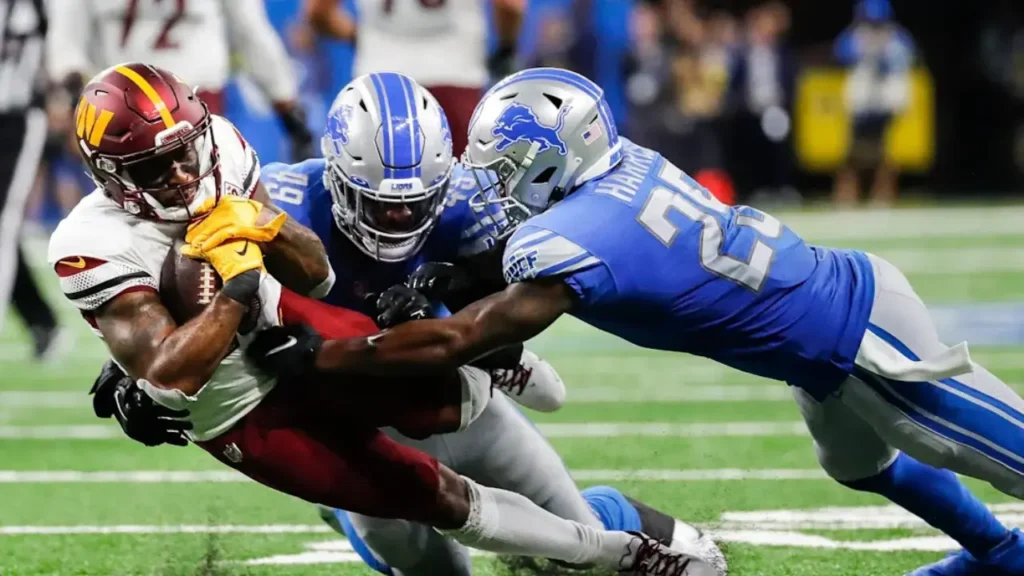
The clash between the Washington Commanders and the Detroit Lions has become one of the most intriguing fixtures in modern NFL matchups, especially for fans who love deep analytical breakdowns and statistical storytelling. Whenever these two teams meet, the conversation inevitably shifts toward performance numbers, efficiency ratings, quarterback showdowns, and defensive pressure metrics. In this article, we explore the washington commanders vs detroit lions match player stats in a detailed, narrative-driven manner that goes beyond simple box scores to deliver a full-scale analysis of what unfolded on the field.
This comprehensive breakdown not only examines individual performances but also contextualizes them within the broader strategy and momentum shifts of the game. Whether you are a fan, analyst, or fantasy football player, this long-form analysis delivers everything you need to understand how the game was won, where it was lost, and which players defined its outcome.
Quarterback Duel: Efficiency, Pressure Response, and Leadership in the Heat of the Game
Any discussion of washington commanders vs detroit lions match player stats must begin with quarterback play because this matchup once again highlighted how crucial the QB position is to the rhythm, tempo, and final score. The Commanders’ quarterback entered the game determined to establish an early passing rhythm, pushing the ball downfield with calculated aggression.
Throughout the first half, Washington’s QB demonstrated strong pocket presence, completing a high percentage of short to intermediate throws. His anticipation and timing stood out as he hit multiple receivers on slant and comeback routes, showing an ability to read Detroit’s defensive disguises. Despite facing pressure from Detroit’s front seven, he maintained composure and avoided risky throws that could have led to turnovers.
On the opposite side, the Lions’ quarterback displayed a more explosive style. His deep-ball accuracy created some of the game’s most electrifying moments, stretching Washington’s secondary and forcing them into uncomfortable one-on-one matchups. His confidence was unmistakable, particularly when he launched long throws into tight windows.
Even when pressured, he found ways to escape the pocket or step up to deliver strikes. These contrasts in play style made the quarterback comparison one of the highlight storylines of the matchup. While Washington’s quarterback relied more on methodical drives and precision, the Detroit quarterback used aggressive vertical attacks to force Washington into defensive adjustments.
Running Backs: Ground-Game Efficiency and Breakout Runs That Shifted Momentum
The washington commanders vs detroit lions match player stats also showcased a compelling battle in the running game. Washington’s lead running back delivered a strong performance built around patience, vision, and physicality. He consistently turned modest blocks into solid gains, demonstrating a remarkable ability to maintain balance through contact.
His yards-after-contact numbers were a testament to his power-running style. Throughout the game, his impact extended beyond just rushing, as he became a reliable check-down option for the quarterback, converting multiple short passes into first downs. This versatility ensured that Washington’s offense remained unpredictable, blending run and pass concepts effectively across multiple drives.
Meanwhile, Detroit’s running back room showcased a different dynamic. Their primary rusher displayed explosive acceleration and quick-cut ability, turning what looked like routine plays into chunk gains. One of the defining moments came when he broke through the line for a major run that swung momentum back in Detroit’s favor.
This burst captured the essence of the Lions’ ground strategy: speed, unpredictability, and relentless attack. Complementing the lead back, Detroit’s secondary running option provided bruising inside runs that wore down Washington’s interior defense. By rotating backs with different styles, Detroit kept Washington guessing, constantly forcing defensive adjustments in the box.
Wide Receivers: Route Precision, Separation Ability, and Game-Changing Catches
When reviewing the washington commanders vs detroit lions match player stats, the wide receiver performances stand out as some of the most exciting elements of the game. Washington’s receiving corps featured a blend of crisp route running, strong hands, and yards-after-catch excellence. The Commanders’ top receiver delivered a standout performance, repeatedly finding soft zones in Detroit’s coverage and turning quick catches into meaningful gains.
His chemistry with the quarterback was obvious, as multiple timing-based throws connected seamlessly. Another Washington receiver served as the explosive deep threat, stretching Detroit’s secondary and creating spacing opportunities for his teammates. His spectacular sideline grab was one of the game’s highlight reel moments, illustrating elite body control and awareness.
The Lions’ receivers matched Washington’s output with equally dynamic performances. Their top wideout, known for strong contested-catch ability, won several physical battles against Washington’s cornerbacks. His ability to secure catches in high-pressure situations kept Detroit’s offense moving even in difficult down-and-distance scenarios. The second wideout provided speed and agility, frequently gaining separation on crossing routes.
His knack for turning short receptions into big plays forced Washington to tighten its coverage and respect Detroit’s mid-field passing attack. Together, these receivers created a balanced aerial assault that reflected Detroit’s well-rounded offensive identity.
Tight Ends: Red-Zone Threats, Blocking Contributions, and Tactical Versatility
Tight ends often play an underappreciated role in football, yet they were crucial in the washington commanders vs detroit lions match player stats analysis. Washington’s tight end played a pivotal role in both the receiving game and run blocking. He delivered several clutch catches in high-pressure moments, especially in the red zone, showcasing safe hands and strong positioning. His ability to create mismatches against linebackers proved invaluable, giving Washington a go-to option during critical third downs. Beyond his receiving contributions, his blocking helped stabilize the edge to support Washington’s running attack.
Detroit’s tight end also impressed with a well-rounded performance. His athleticism allowed him to stretch the seam and create coverage challenges for Washington’s safeties. One of the standout plays occurred when he split coverage and hauled in a significant gain that shifted momentum in Detroit’s favor. His presence forced Washington to adjust its defensive scheme, often allocating additional support to contain him. Additionally, his blocking was essential in giving Detroit’s running backs the lanes needed for explosive plays.
Offensive Line Performance: Protection Efficiency and Run-Blocking Execution
The offensive line performance on both teams offered compelling insights for anyone reviewing the washington commanders vs detroit lions match player stats. Washington’s offensive line delivered a largely consistent performance, protecting the quarterback effectively during the majority of passing attempts. They managed Detroit’s pass rush by creating well-structured pockets and adjusting quickly to stunts and blitzes. In the run game, they provided solid interior push, giving Washington’s lead rusher room to navigate and make plays. Their discipline in avoiding costly penalties was another key factor in maintaining offensive rhythm.
Detroit’s offensive line showcased strength and tenacity, especially in run-blocking schemes that emphasized pulling guards and creating seal blocks. Their coordination allowed Detroit’s running backs to find open lanes and hit them with exceptional speed. In pass protection, they had moments of brilliance mixed with occasional breakdowns under Washington’s pressure. Still, their overall effectiveness allowed Detroit’s quarterback enough time to deliver deep throws and maintain an aggressive passing strategy.
Defensive Front Seven: Pressure, Tackles for Loss, and Momentum-Turning Plays
A major highlight of the washington commanders vs detroit lions match player stats review was the performance of both defensive front sevens. Washington’s front showcased power and disruption, generating several pressures and forced hurried throws from the Detroit quarterback. Their defensive tackles clogged inside lanes effectively, making it harder for Detroit to gain consistent yardage on early downs. Washington’s edge rushers created critical moments, including quarterback hits and near-sacks that altered momentum.
Detroit’s front seven, on the other hand, delivered an impressive mixture of speed and power. Their edge rushers consistently tested Washington’s offensive tackles, forcing the quarterback to step up or roll out. One standout moment came when a Detroit linebacker burst through the line for a crucial tackle for loss, demonstrating exceptional timing and instinct. Detroit’s run defense also stood strong in key moments, limiting Washington’s second-half rushing attempts and helping shift the pace of the game.
Secondary Performance: Coverage Discipline, Ball Tracking, and Defensive Reads
The secondary play contributed significantly to the washington commanders vs detroit lions match player stats, revealing the strategic chess match between passing attacks and coverage schemes. Washington’s secondary demonstrated strong communication in zone coverage but struggled at times against Detroit’s deep-ball aggression. Several big plays were conceded due to slight coverage missteps or mismatches created by Detroit’s offensive formation. However, Washington also secured key pass breakups in the red zone, showcasing great situational discipline.
Detroit’s secondary displayed tight coverage throughout most of the contest. Their cornerbacks excelled at pressing Washington’s receivers and disrupting routes early. The safeties provided excellent over-the-top support, preventing multiple potential long-ball completions. One standout moment featured a Detroit defensive back making a perfectly timed breakup that prevented Washington from converting on a vital third down.
Special Teams Impact: Field Position Battles and Key Kicking Moments
Special teams often turn the tide in evenly matched NFL games, and the washington commanders vs detroit lions match player stats reveal several critical contributions. Washington’s kicker remained reliable, converting field goals that kept them competitive throughout the game. Their punter executed beautifully placed kicks that pinned the Lions deep in their territory multiple times. Washington’s return unit also contributed with disciplined field positioning, avoiding costly mistakes.
Detroit’s special teams were equally impactful. Their kicker converted essential points, maintaining Detroit’s momentum during offensive lulls. Their punt returner delivered one highlight return that significantly improved Detroit’s field position and set the stage for a scoring drive.
Conclusion: What the Washington Commanders vs Detroit Lions Match Player Stats Reveal About Both Teams
The washington commanders vs detroit lions match player stats paint a vivid picture of two teams battling with intensity, strategy, and dynamic athleticism. Both teams showcased strengths that highlight their identity—Washington with precision passing and balanced offense, Detroit with explosive plays and defensive pressure. Each position group contributed unique layers to the matchup, creating a game defined by momentum shifts, big-play capability, and tactical adjustments. By analyzing every major performance area, fans and analysts gain a complete understanding of not just how the game unfolded, but what it means for future matchups.
You May Also Read: washington commanders vs philadelphia eagles match player stats